
Boost Mobile
Project Switch
Boost Mobile built the prepaid market the hard way, one customer at a time. Then the major carriers noticed a good thing, and Boost found out what it felt like to be guests in their own house.
The Human Truth
The major carriers didn't just outspend Boost. They bought up the competition, rebranded it, and pointed it directly at the customers Boost had spent years earning. New lines dropped into the negative. Store averages collapsed. Nearly half a million subscribers walked out the door.
But the research told a different story than the numbers. Yes, customers were leaving. What they were also doing was complaining, loudly and specifically, about where they were going. The new prepaid marketplace, flush with carrier money and carrier habits, had brought all the worst instincts of the postpaid world with it. Hidden fees. Misleading offers. Contracts dressed up as freedom. Customers didn't feel liberated by their options. They felt worked. They felt like an ATM someone had figured out how to drain without ever asking permission.
They wanted a way out. They just didn't believe out was possible.
The Core Conviction
The carriers built out a prepaid marketplace that was better funded but full of pitfalls, and the customers in it noticed.
Boost had something no amount of carrier spending could manufacture. A history people remembered. A record of being the brand that showed up with all of the passion and none of the fine print. Without contempt, without the quiet assumption that a prepaid customer was a lesser one. That history was the asset.
Boost's brand conviction was that with the right service and products, the prepaid customer didn't need to be sold. They needed to be recognized and appreciated. They needed someone to acknowledge what they were actually living with, and then hand them a way out that was simple enough to trust, making the ability to switch carriers feel less like a risk and more like relief.
The Work
The campaign was built around four brand devices, each doing a different job.
The first was the tagline. Boost makes it easy to switch. Switching makes it easy to save. Purposefully circular. Plain enough to repeat, stubborn enough to remember.
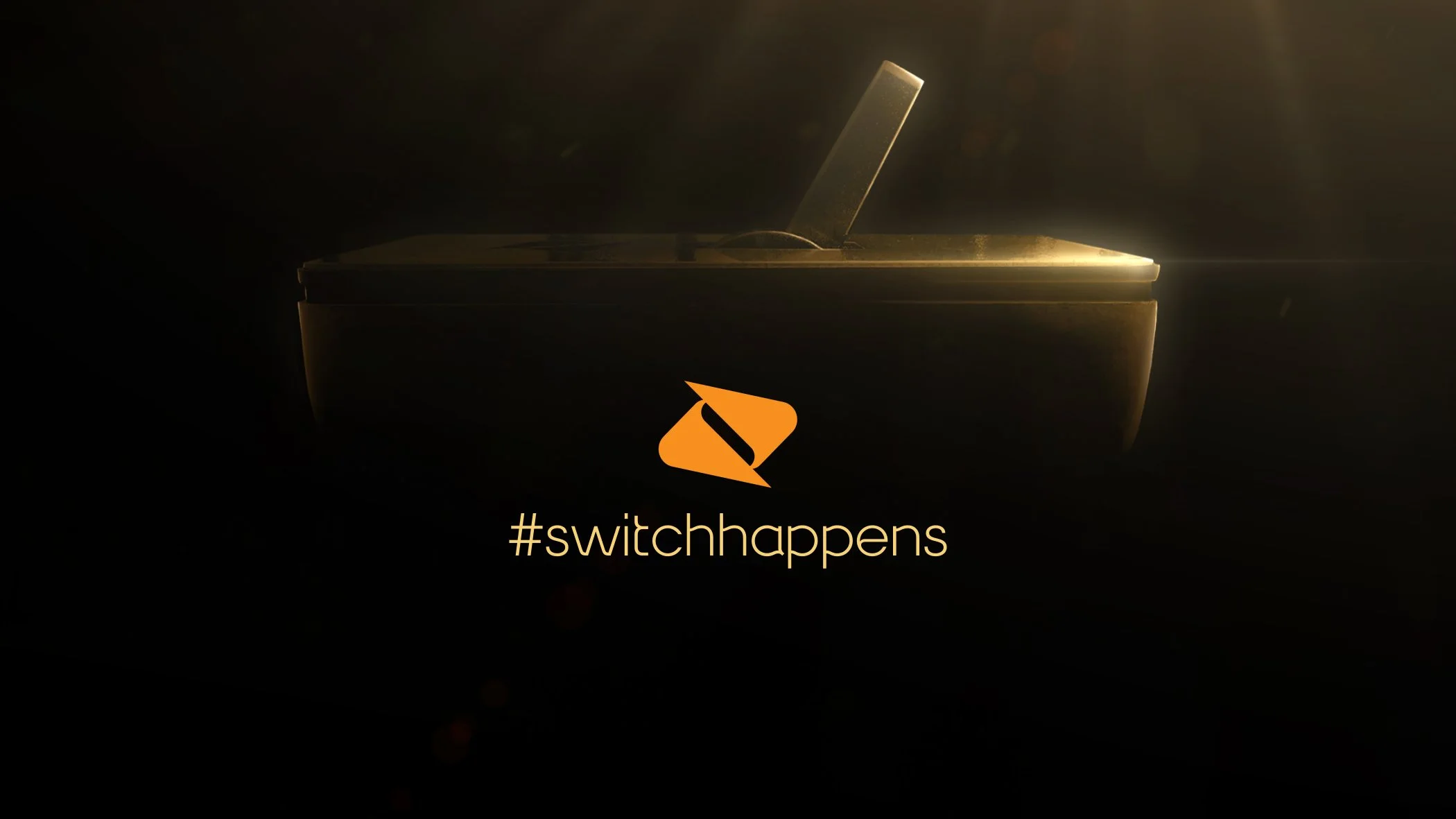
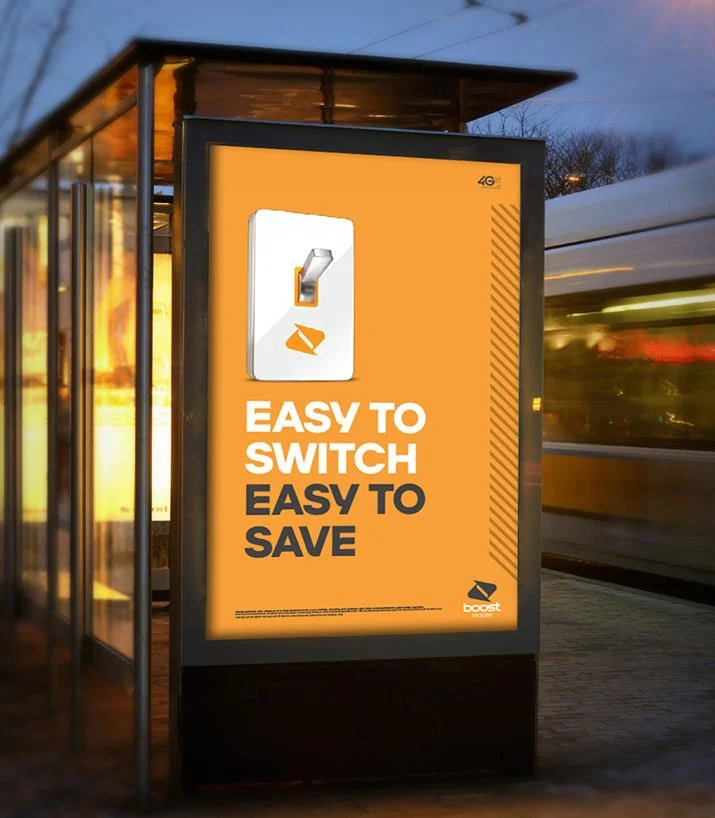
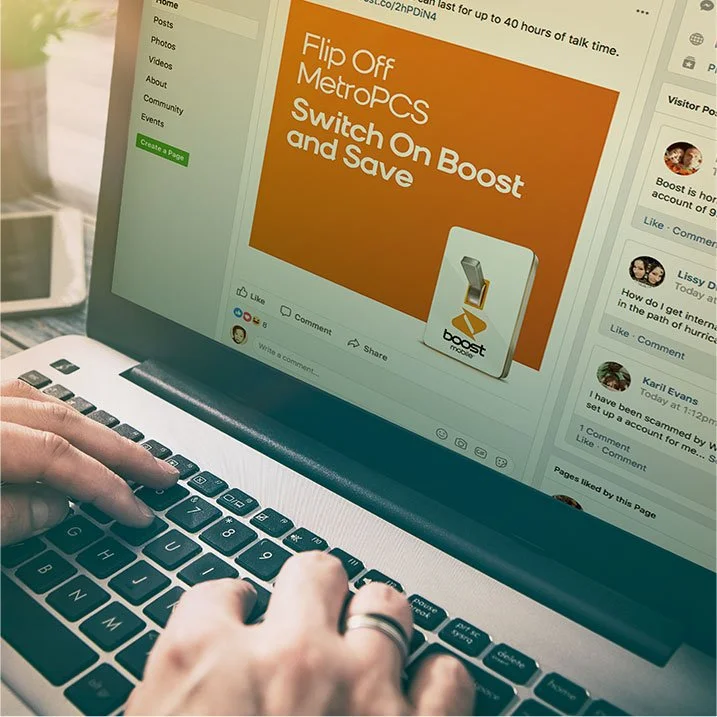
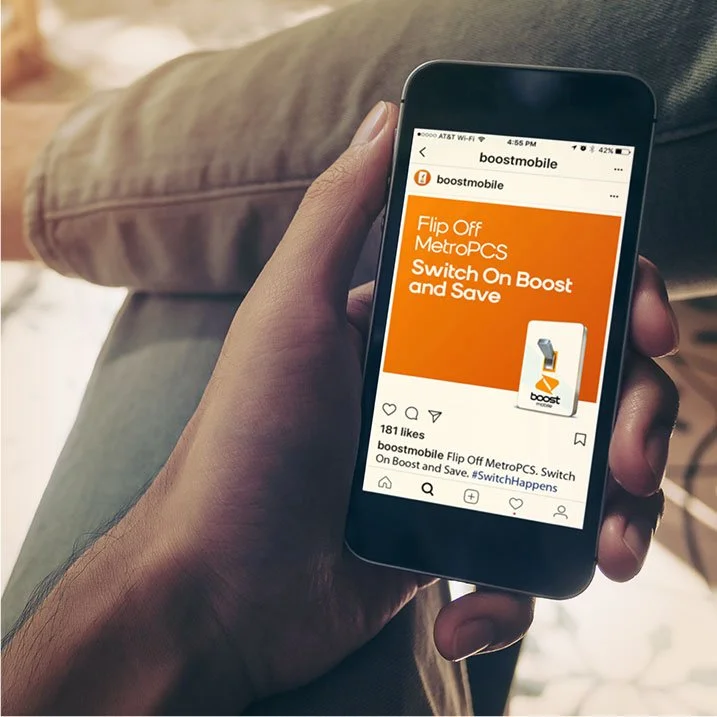
The second was the Switch itself. Not a metaphor, an actual physical object. A toggle that customers could flip that showed up in broadcast, social, digital, outdoor, in-store, and in the hands of street teams. Simple enough to understand in a second, memorable enough to travel. The Switch made everything feel simple. It even found its way into live sports coverage, with announcers calling big moments "switch moments" on air, presented by Boost Mobile.
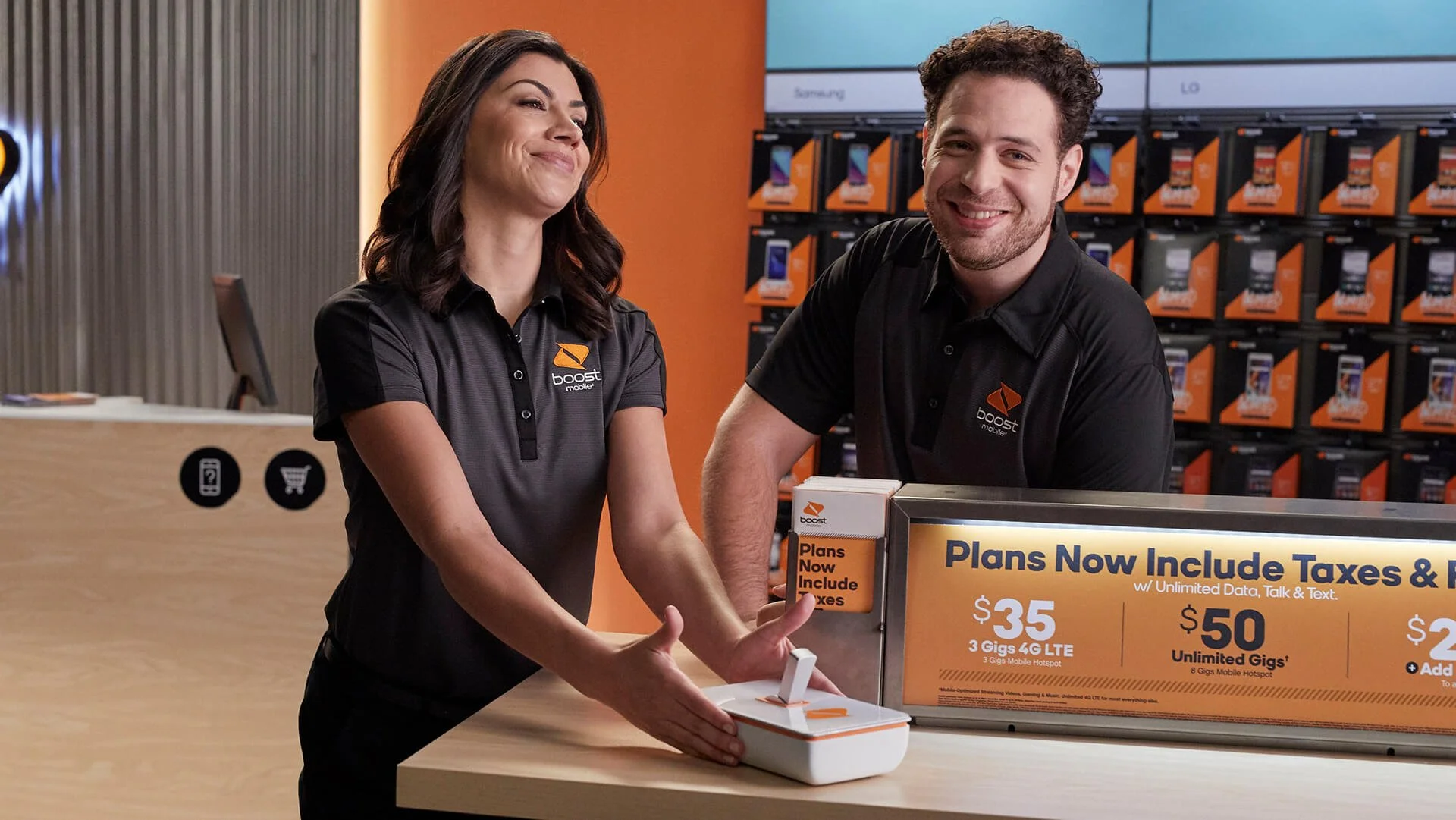
Then came Grant and Gina, two Boost store employees who understood that the person walking through the door had probably been misled recently and wasn't looking to be sold again. Warm, unhurried, and empathetic, they didn't attack the competition, the customers did that for them. They just handed people a way out.
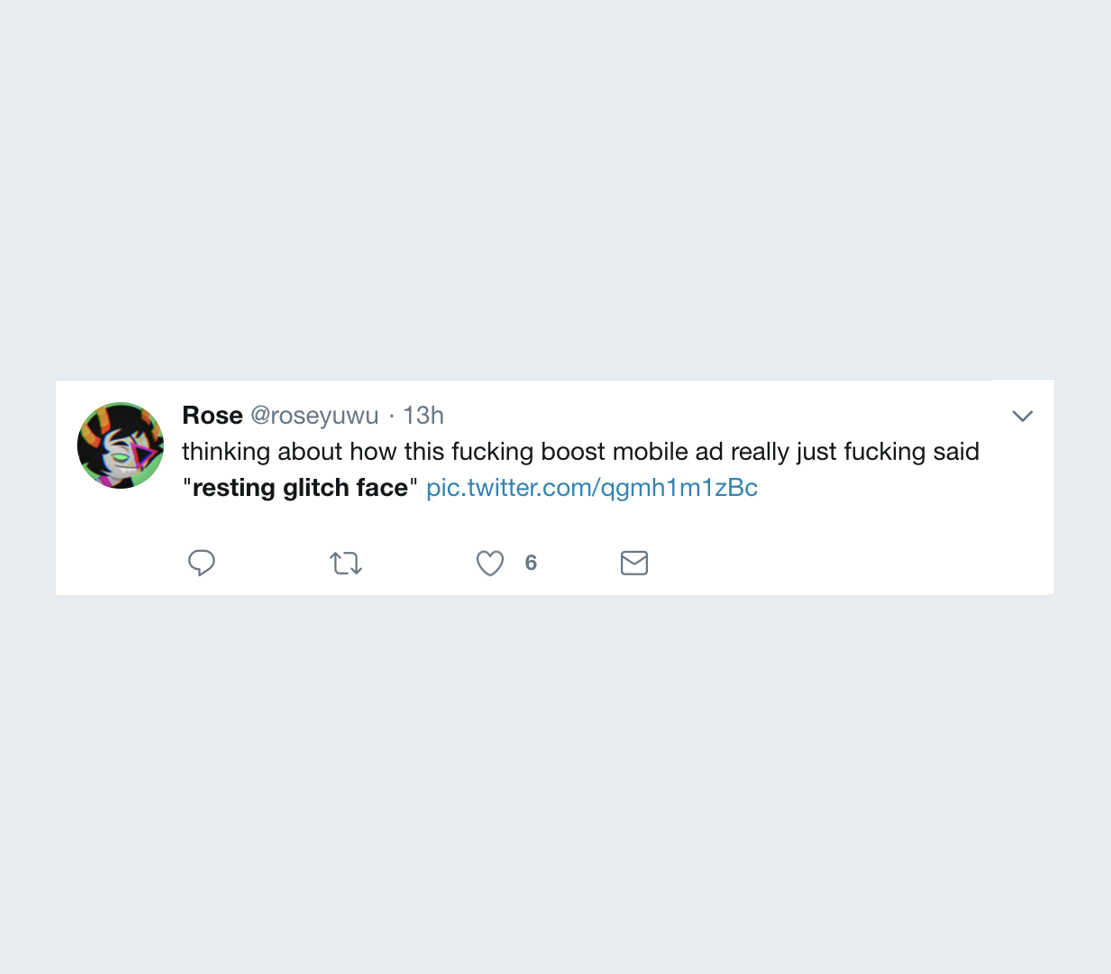
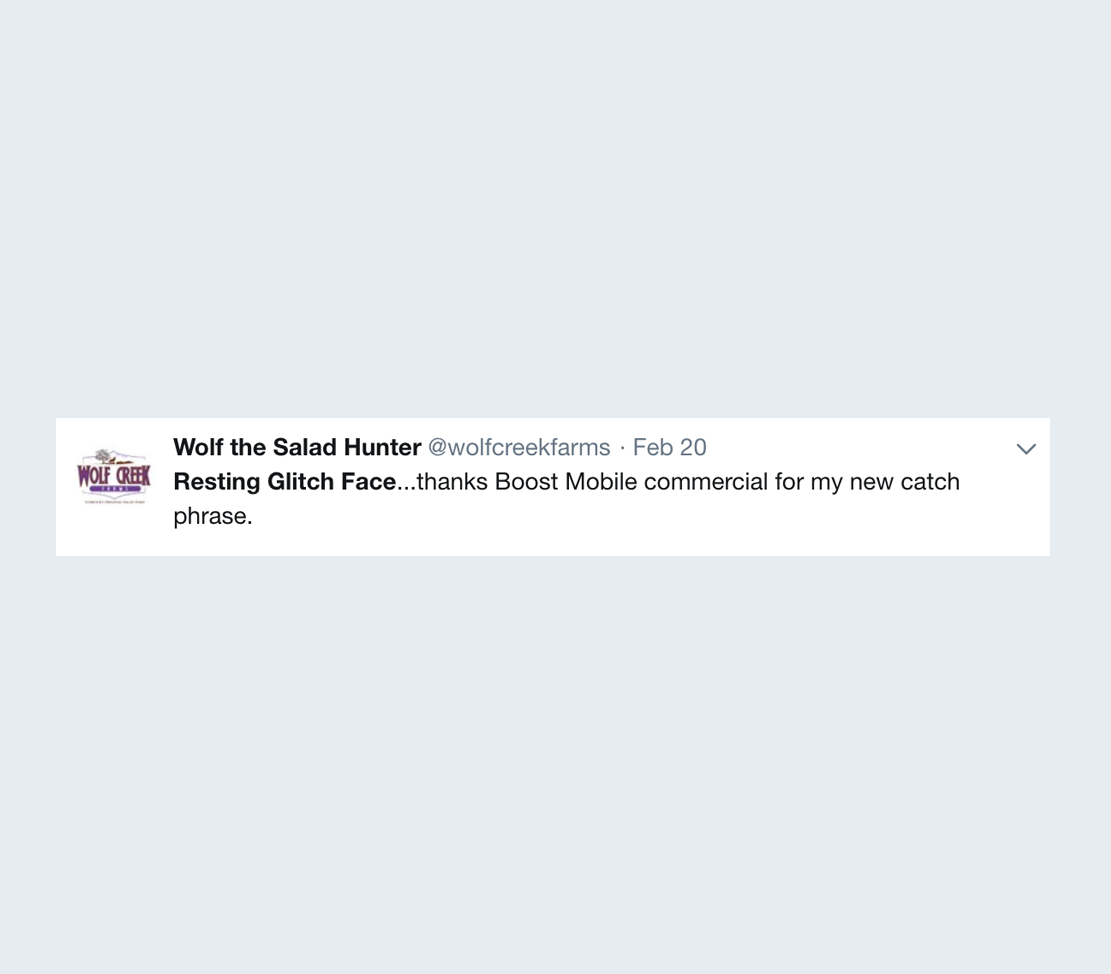
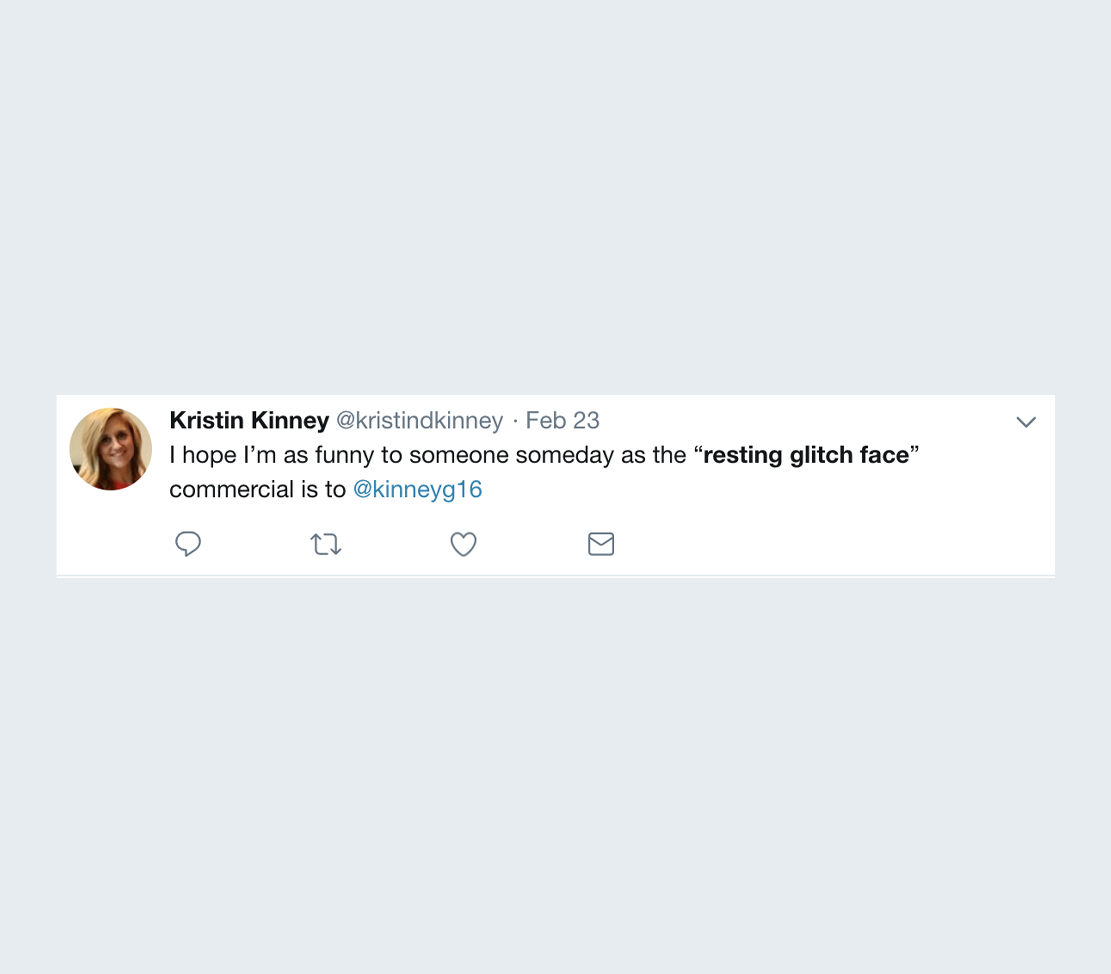
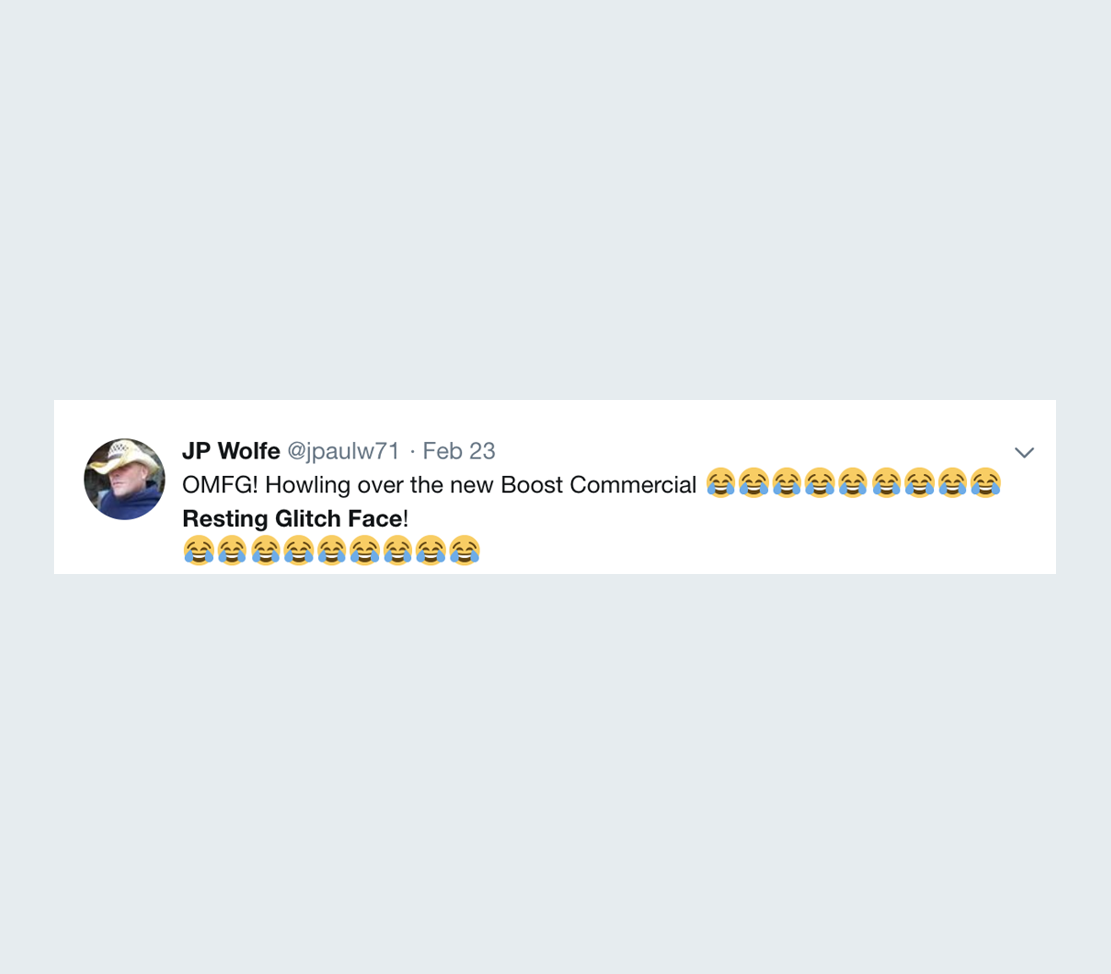
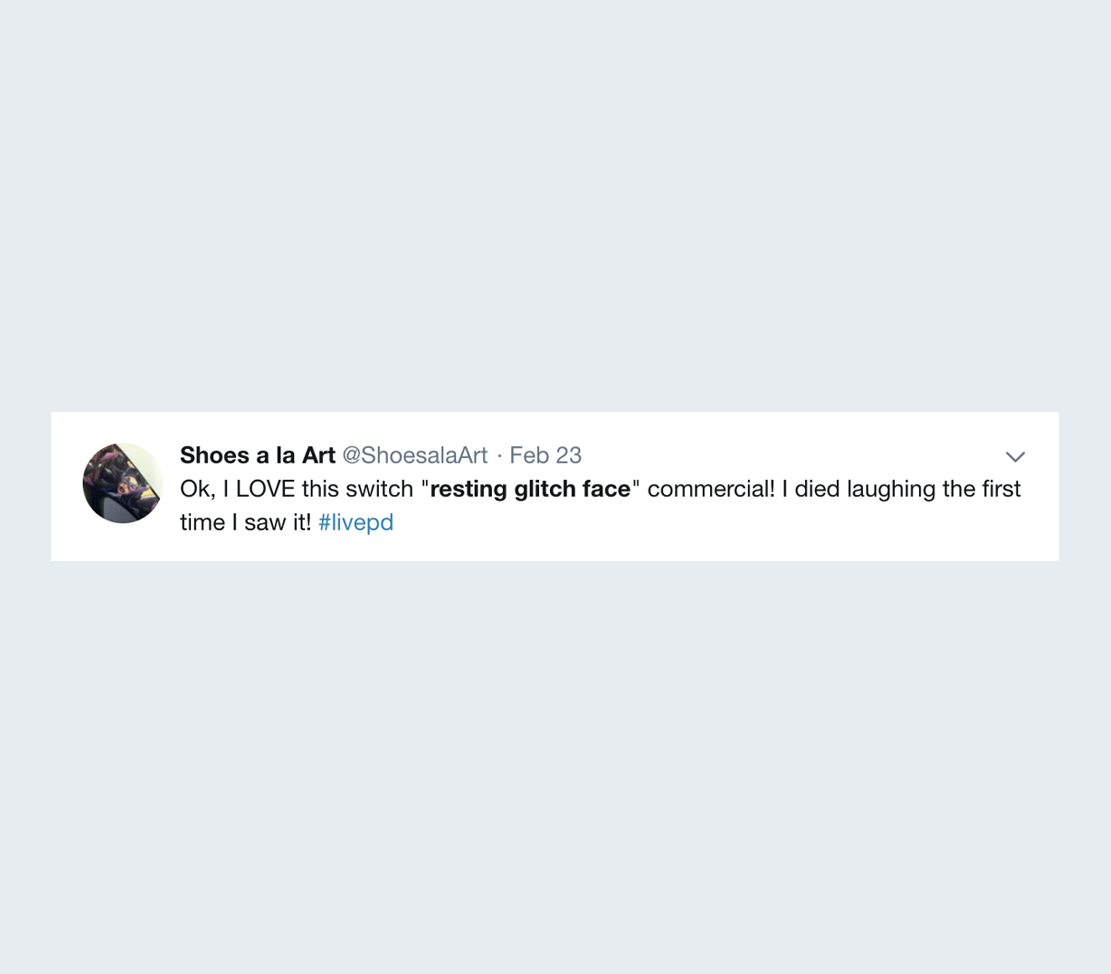
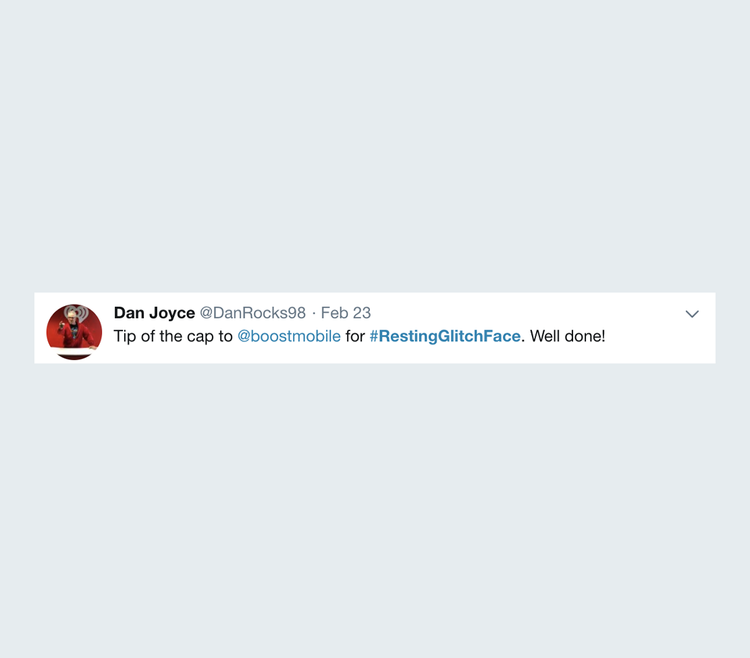
One spot in particular found its own life. A father watching his family's phones glitch and freeze, driven to the edge, lands on a single line at the end: "No more resting glitch face." The internet did the rest. Within days the phrase was traveling on its own, showing up in tweets, GIFs, and hashtags from people who had no idea they were quoting a Boost Mobile ad. That's the difference between a campaign that performs and one that permeates.
Together, these devices gave the campaign enough material to flex across every format, in English and Spanish, and follow the customer wherever they were.
The Spots
Glitch
Taxes and Fees
Family Plan
B&W
Switchmas Miracle
Meta
The Growth
Project Switch hit the market and the market felt it immediately.
In a matter of months, perception that Boost was more affordable rose 17% among Verizon customers and 23% among Cricket users. The brand's momentum score climbed from 13% to 17%. Loyalty, which had bottomed out at 67% in January, climbed to 75% by summer, hitting the brand's third-month engagement goal six months ahead of schedule.
In Q2 2017 alone, Boost added 114,000 new subscribers. More than double the prior year's number. By August, overall satisfaction had risen from 74% to 87%, outpacing both MetroPCS and Cricket Wireless.
The brand that built the prepaid market had stopped playing defense. Project Switch gave Boost back what the carriers couldn't buy. The customer's trust. And once that was in motion, everything else followed.
114,000
New subscribers in the first quarter of the campaign. More than double the prior year.
74% → 87%
Overall satisfaction in months, outpacing both MetroPCS and Cricket Wireless.
67% → 75%
Loyalty recovered in months, hitting the brand's third-month engagement goal six months early.
+17% / +23%
Perception that Boost was more affordable, among Verizon customers and Cricket users respectively.