National Hot Rod Association
Speed For All
The fastest sport on the planet had a fan problem. The answer wasn't a bigger megaphone. It was an open door to the human side of the NHRA.
The Human Truth
Drag racing was born in the backroads of post-war America, engineered by ordinary people with extraordinary nerve. They stripped down old cars, modified them with anything they could find, and settled the question of "who's fastest?" on an empty stretch of asphalt. No velvet ropes. No hospitality suites. Just pure speed and the people who loved it.
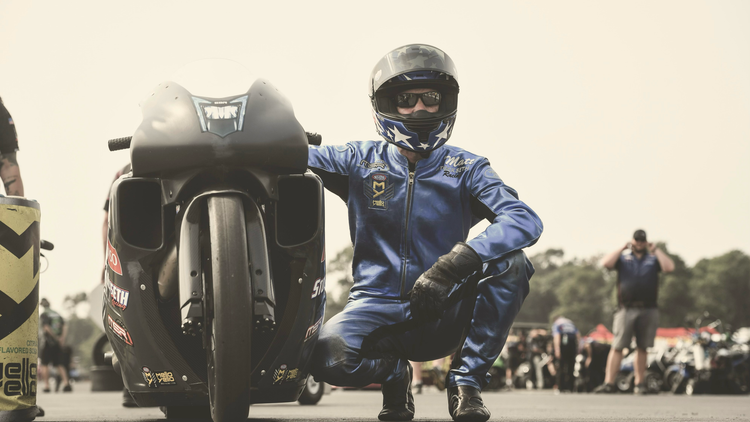
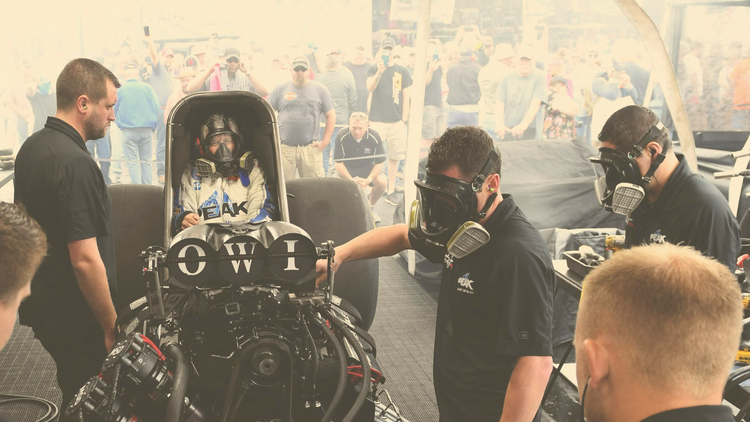
That origin lives on in every NHRA race weekend where fans walk the pit lanes, stand three feet from Top Fuel dragsters, watch crew chiefs tape down parachute packs between rounds and talk to drivers. It's a high energy sport built by race fans, for race fans.
In recent years the cars and bikes got even faster, the access opened more, but despite all the love people have for cultures centered around speed and danger, the interest in the NHRA was declining. We needed to remind people — this is their motorsport.
The Conviction
Every other major motorsport positions the event as the spectacle, something to observe from a safe distance, a province of corporate machines and deep pockets. As the original adrenaline-fueled action sport, the NHRA is something different. It's built on the idea that raw, unfiltered, earth-shaking speed belongs to anyone willing to show up and feel it in their bones.
The platform we built wasn't aspirational. It was a declarative truth. Speed For All isn't a campaign idea, it's a fact. No other motorsport could say it with any integrity.
That's what separates a platform line from a tagline. Not that it sounds good, but that it's grounded in the truest nature of the sport.
The Work
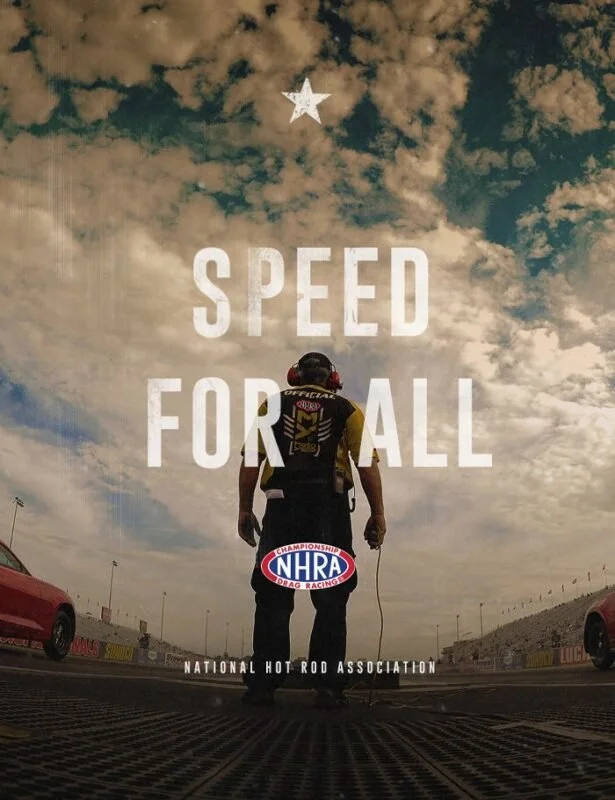
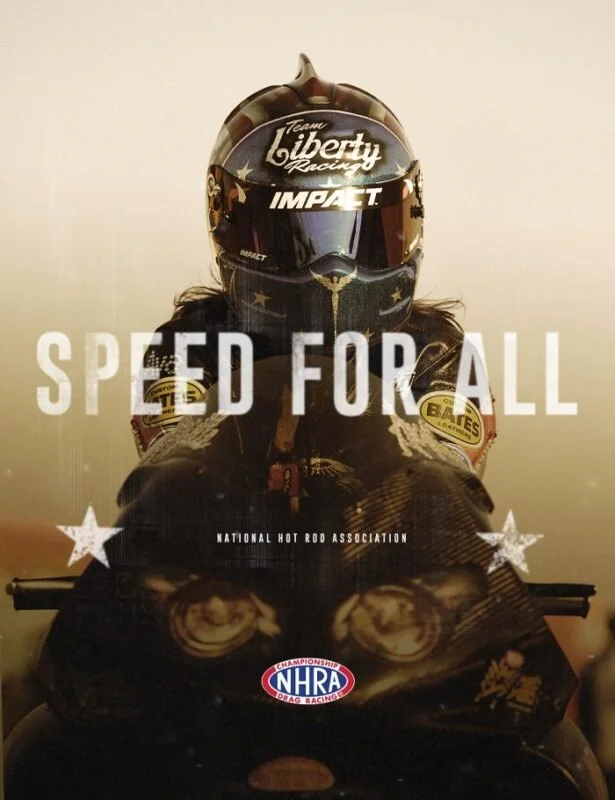
We found the NHRA archives to be a gold mine of visceral energy. Photos and footage of speed, fire, impossible machinery, and even more importantly, the culture. Fans pressed against the fence with their mouths open. Kids on their fathers' shoulders. Crew members completely absorbed in their element. Drivers who looked like they were cramming the time of their lives into a mere 4-6 seconds. The emotional raw material for a full brand repositioning was sitting on hard drives waiting to be tapped.
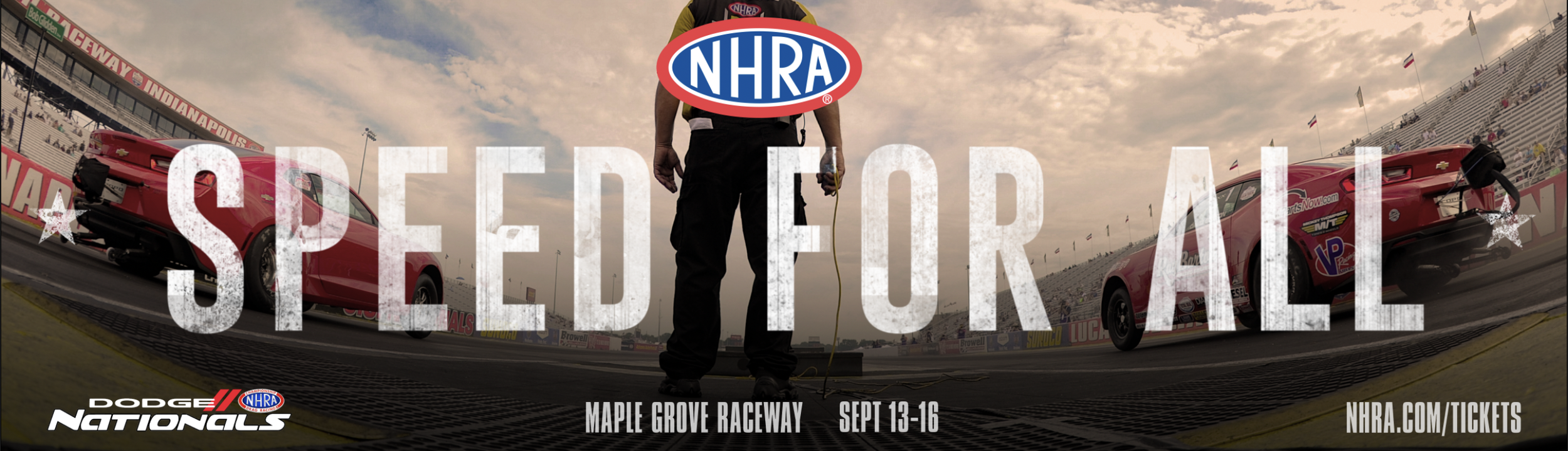
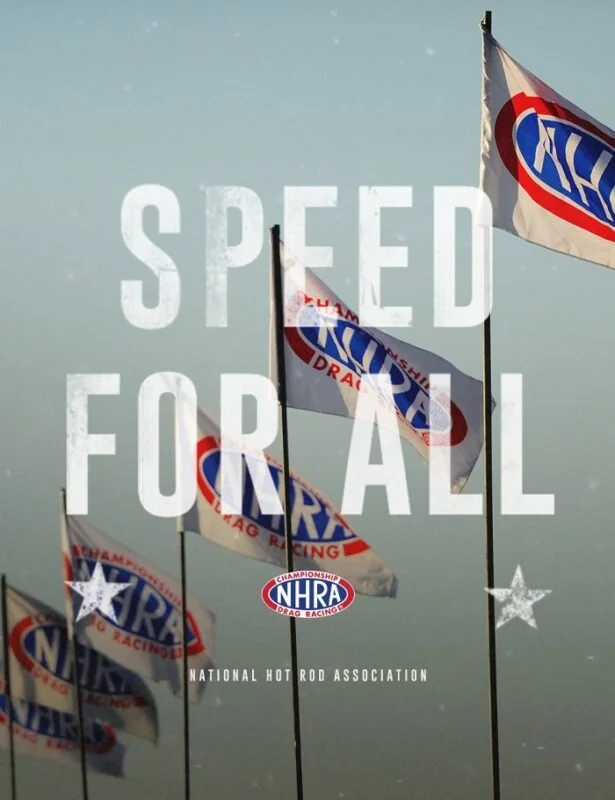
Rather than manufacture something new, we let the imagery make the case by pairing archive footage and photos with a fresh visual language and the Speed For All platform. Sure, using what already existed was faster, more cost-efficient than anything we could have staged from scratch on a minimal budget, but it was also the most honest and convincing view we could provide, and it delivered authenticity behind the line.
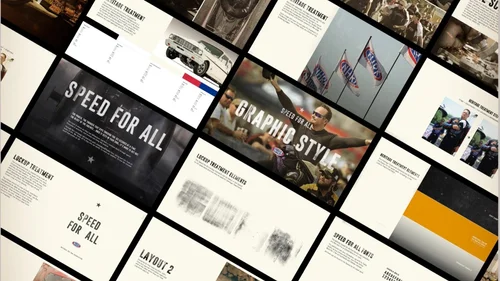
From there we built a comprehensive brand identity system: hand-crafted graphics, textures, typographic treatments, and design lock-ups, organized into a style guide detailed enough that an entire ecosystem of designers, track owners, media partners, and promoters could execute it consistently across a full racing calendar. The system was built to scale because the NHRA brand touches hundreds of events each year, managed by dozens of different hands.
Speed For All — Brand Film
The Growth
Sometimes the most honest measure of a brand platform is when the organization absorbs the language as their own, and it has the strength to show up years later, in contexts no one planned for, because it turned out to simply be true.
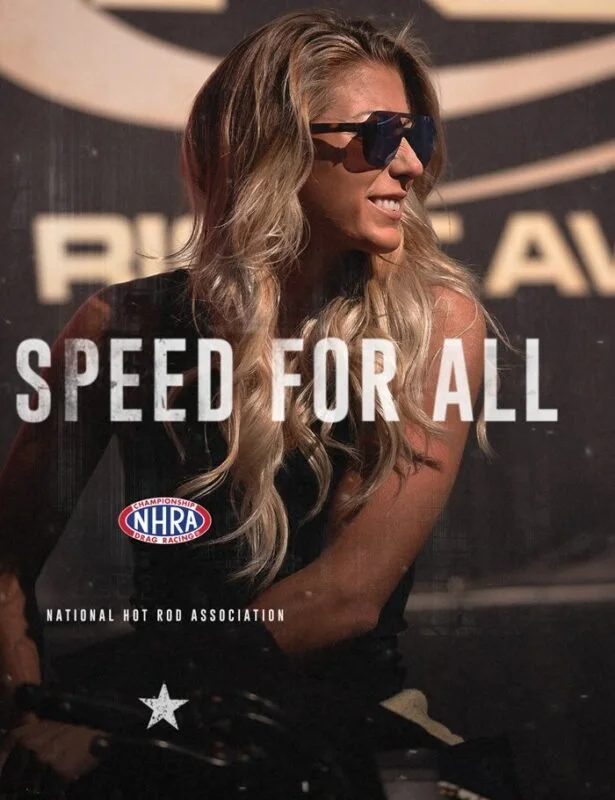
Speed For All is now part of the NHRA's institutional identity. It appears in print, on Fox Sports broadcasts, on merchandise, digital platforms, and on the NHRA.tv platform alongside their 75th anniversary mark. It's a line that truly reflects how the NHRA understands itself.